
The value-added tax on imported flaxseed oil has been reduced to 9%. Ningxia's deep processing industry welcomes favorable policies
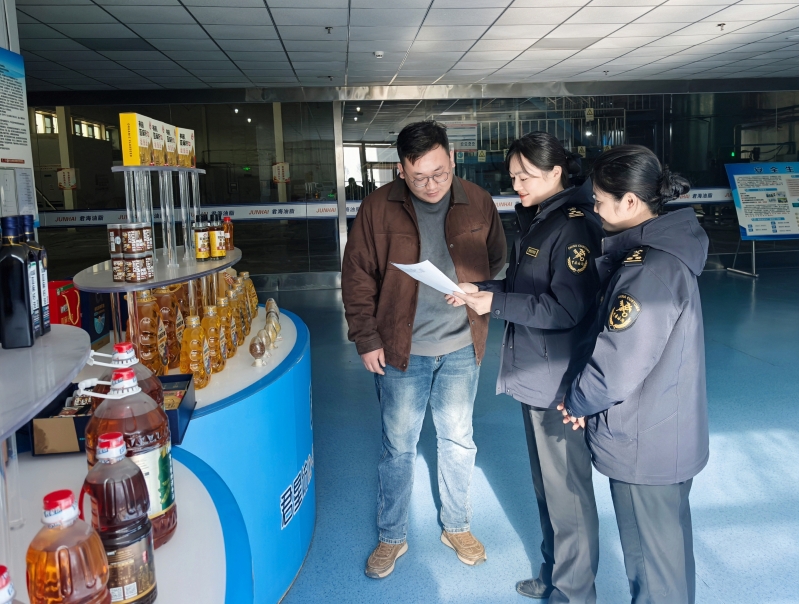
On January 31st, the Ministry of Finance and the State Administration of Taxation issued Announcement No. 9 of 2026, clarifying the scope of goods subject to a 9% value-added tax rate; On February 2, the General Administration of Customs issued Announcement No. 15 of 2026, reducing the value-added tax rate for the import of "other flaxseed oils and their separated products" from 13% to 9%, injecting new impetus into the high-quality development of Ningxia's flaxseed deep processing industry.
Flaxseed oil is rich in essential unsaturated fatty acids alpha linolenic acid, which plays an important role in improving the composition of fatty acids in the diet and maintaining human health. It is increasingly favored by the market and has broad development prospects. As a core region for flaxseed processing and flaxseed oil consumption in China, Ningxia's deep processing of flaxseed can help further gather industrial advantages and promote the international market for characteristic agricultural products.
The customs staff of Yinchuan Hedong Airport introduced that in 2025, based on the demand of enterprises in Yinchuan Comprehensive Bonded Zone to carry out deep processing business of flaxseed oil, we will jointly investigate with multiple departments such as finance, taxation, and the Comprehensive Bonded Zone Management Committee, and proactively propose tax adjustment suggestions for the import tax rate of "refined flaxseed oil and its separated products". The reduction of value-added tax rate this time will significantly help enterprises extend their industrial chain, increase product added value, enhance market competitiveness, and effectively promote the improvement and efficiency of the entire flaxseed industry chain. ”
The announcement from the General Administration of Customs has greatly encouraged us, "said Ma Shenglun, General Manager of Ningxia Ningruifang Oil and Fat Co., Ltd." Our company is located in a bonded zone and has policy advantages such as deferred tax payment for imported raw materials and convenient customs clearance. Now, the value-added tax on imported flaxseed crude oil and refined oil is uniformly implemented at 9%, which is a double benefit that brings us full confidence. Currently, the factory is still in the preparation stage, but with policy guarantees, we are more willing to invest, which can also reduce subsequent import costs, activate cash flow, and help the company promote the layout of the entire industry chain, laying a solid foundation for future development
Customs tax policy research is an important task for customs to propose tax policy adjustment suggestions to the national competent department based on the national macroeconomic development situation, combined with the reasonable demands of enterprise and industry development, and on the basis of in-depth industry research. In 2025, Yinchuan Customs will thoroughly implement the important speech of General Secretary Xi Jinping's inspection of Ningxia, focus on key industries in the autonomous region, and actively carry out tax policy research through various methods such as data analysis, questionnaire surveys, and telephone surveys to gain a deep understanding of industry and enterprise needs. Next, Yinchuan Customs will continue to closely follow national policy guidance, focus on the development plan of key industries in Ningxia, adhere to precise planning and overall consideration, continue to strengthen tax policy research, actively propose rationalization suggestions for tax policies, and contribute customs strength to the development of foreign trade.
In addition, Yinchuan Customs reminds that according to the Announcement No. 15 of 2026 of the General Administration of Customs (Announcement on the Announcement of the Corresponding Customs Commodity Number Table for Non full Taxable Goods with 9% Import Value added Tax Rate), from the date of announcement, relevant goods should be declared according to the customs commodity numbers listed in the attachment of this announcement when importing and exporting. For goods imported between January 1, 2026 and the date of this announcement, if the customs commodity number declared by the consignee or its agent does not comply with the above regulations, the customs declaration form modification procedures shall be handled in accordance with relevant regulations.